Japanese Acupuncture
Toyohari
A gentle and effective form of meridian therapy, refined over 300 years of Japanese tradition.
Toyohari Acupuncture
Gentle in touch, precise in method: restoring balance and supporting health.
Toyohari is a refined form of Japanese meridian therapy — gentle in touch, yet deeply effective in restoring balance and vitality. Developed within a centuries-old tradition of blind Japanese acupuncturists, Toyohari places great emphasis on sensitivity and precision through touch.
CONTENT
Diagnosis
Each treatment begins with attentive listening and light palpation of the meridians, abdomen, and pulse to understand your body’s current state. From this, the most appropriate meridians and techniques are chosen to regulate the flow of ki and support your body’s natural ability to heal.
Treatment Phase 1: Restoring Balance
Toyohari treatment unfolds in two complementary phases.
The first phase focuses on restoring overall functional balance and supporting the body’s capacity for self-regulation — using subtle, sometimes non-invasive techniques suitable even for those sensitive to needling or for children.
In this phase, I begin by treating the first point and then re-check your pulse to assess how your body responds. Treatment continues with a few further points, gently guiding the meridian system towards a balanced state, allowing the effects to stabilise and improve gradually.
Many patients notice a sense of relaxation during this phase — a sign that the body has begun to regulate itself. Early changes in comfort or symptom intensity may also become apparent as balance improves.
Treatment Phase 2: Symptom Control
The second phase addresses specific symptoms and may include acupuncture, traditional moxibustion, or other techniques, depending on your individual needs.
After carefully assessing the symptoms, I select the technique best suited to the specific presentation. During and after its application, I re-assess the affected areas and related points to observe any changes. Where appropriate, the technique is adjusted in response to your individual sensations and feedback.
The symptom-focused techniques in this phase are characteristic of Japanese practice and are intended to produce observable responses during the session. Patients may notice variations in comfort, pressure sensitivity, temperature, or local tension. These observations provide valuable feedback on how the body is responding and help guide the selection of subsequent points and techniques.
Applications
Toyohari is practised to promote health and to help manage a broad range of conditions. Through its focus on regulating the body’s functional balance and supporting vitality, it can be applied as part of an integrative approach to both acute and chronic problems.
Common areas of application include:
- Pain management: supportive treatment for chronic and acute pain conditions such as back and neck pain, headaches and migraine, musculoskeletal and joint discomfort, arthritis, and fibromyalgia.
- Neurological and functional disorders: including tension-related or neuropathic pain, post-stroke rehabilitation, and functional bodily disorders such as irritable bowel syndrome.
- Women’s health: menstrual and menopausal symptoms, endometriosis-related pain, and pregnancy-associated discomfort such as morning sickness or back pain.
- Post-operative and supportive care: to aid recovery after surgery, reduce nausea or discomfort, and promote general relaxation.
- Oncology and palliative care support: used as a complementary method to help manage treatment-related symptoms such as pain, fatigue, neuropathy, nausea, or anxiety, and to improve overall well-being.
- General health and stress-related concerns: including sleep problems, anxiety, mild depressive states, and allergic or respiratory complaints.
Its gentle, precisely controlled techniques make Toyohari suitable for patients of all ages, including children and those sensitive to conventional needling.
Suitability and Contact
Due to its refined and gentle application, Toyohari is well suited, but not limited to, for children, older adults, and those who are sensitive to conventional needling.
If you have any questions about Toyohari or how it may relate to your individual situation, please feel free to get in touch — by phone or message.
You are also very welcome to arrange an initial appointment to discuss which treatment approach may be most appropriate for you.
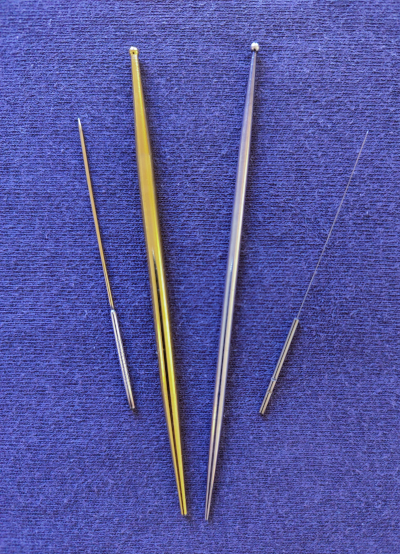
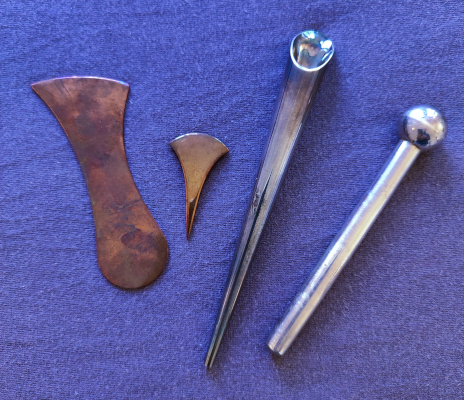
Tools used in Toyohari
In addition to the classical acupuncture needle (depicted right in the first image), there is a number of tools used for non-inserted techniques.